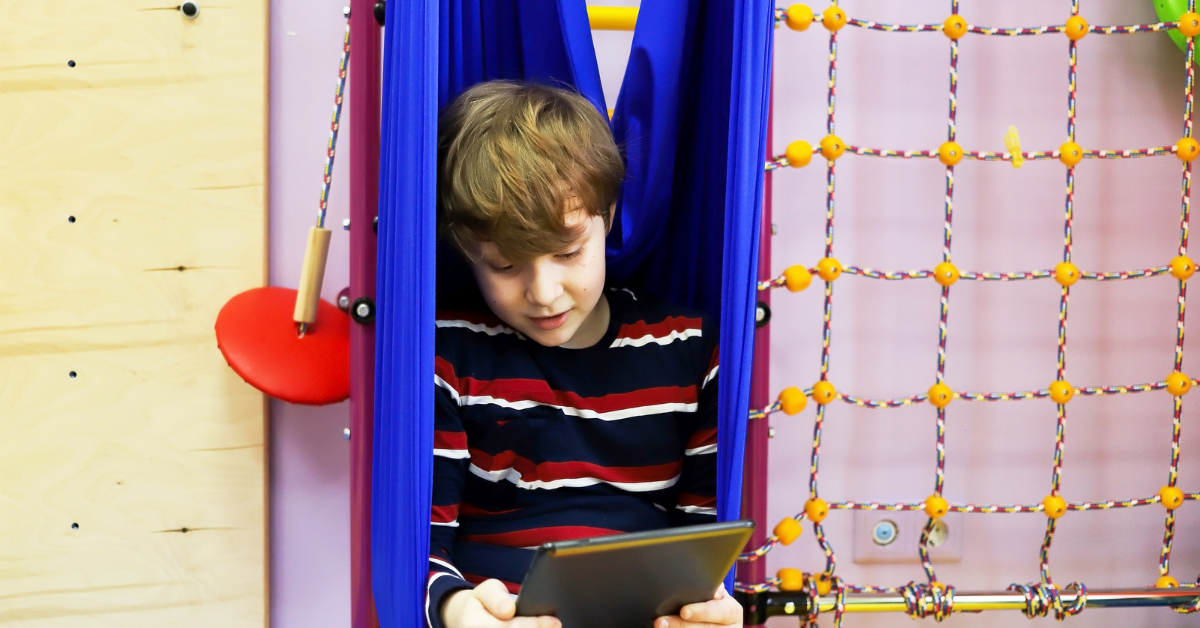
Helping Children with Autism Thrive in School and at Home Through Routine & Visual Supports
For children with autism spectrum disorder, the world can feel unpredictable and overwhelming. One of the most effective strategies for helping children with autism succeed both in school and at home is establishing consistent routines paired with visual supports – tools that transform abstract expectations into clear, manageable steps.
Why Routine Matters for Children with Autism
Structured routines provide a sense of security by creating predictable patterns throughout the day. When children know what to expect and what comes next, anxiety decreases significantly, allowing them to focus their energy on learning, engaging with others, and developing new skills.
At Pathways Strategic Teaching Center, our team uses evidence-based Applied Behavior Analysis (ABA) techniques to create individualized routines that support each child’s unique needs and goals. These routines provide a framework that helps children understand their world and participate more fully in it.
“Structure and routine are fundamental to helping children with autism feel safe and successful,” explains Mackenzie Milner, Clinical Director of Pathways Strategic Teaching Center. “When we provide consistent schedules and visual supports, we’re giving children the tools they need to navigate their day independently. This predictability reduces anxiety and behavioral challenges while building confidence and self-regulation skills.”
The Power of Visual Supports
Visual supports translate verbal instructions and abstract concepts into concrete, visible information that children can reference throughout their day. These tools are particularly effective for children with autism who often process visual information more easily than auditory information.
Common visual supports used at Pathways include:
- Visual schedules: Picture-based or written sequences showing the day’s activities in order
- First-Then boards: Simple two-step visual cues (e.g., “First math, then playground”)
- Social stories: Short narratives with pictures that explain social situations and appropriate responses
- Visual timers: Clear representations of time remaining for activities
- Choice boards: Visual options for activities, snacks, or break activities
- Task analysis strips: Step-by-step picture sequences for multi-step tasks like handwashing or getting ready for school
These supports do more than just show what’s next—they empower children to anticipate transitions, make choices, communicate needs, and complete tasks independently.
Creating Consistency Between School and Home
The most powerful routines are those that remain consistent across environments. When families and educators work together to align strategies, children experience smoother transitions and faster skill generalization.
Tips for building consistent routines:
- Start with the essentials: Focus on morning routines, mealtimes, homework time, and bedtime first
- Use the same visual format: If your child’s teacher uses picture schedules, implement similar schedules at home
- Communicate regularly: Share what’s working at school and at home with all members of your child’s support team
- Build in transition warnings: Use visual timers or countdowns before transitions (e.g., “5 minutes until bedtime routine”)
- Create portable supports: Develop visual supports your child can use in multiple settings
- Celebrate successes: Use visual reinforcement systems to acknowledge when routines are followed
The Role of Educational Specialists
At Pathways, Behavior Technicians and Special Education Teachers play critical roles in teaching children to use visual supports and follow routines effectively. These professionals work directly with children to introduce visual tools, practice using them, and gradually fade prompts as independence increases. They also collaborate closely with families, sharing strategies and creating home versions of supports that mirror those used at school.
This partnership between home and school creates the consistency children need to truly benefit from structured routines and visual supports.
Your Next Step
Understanding how routine and visual supports can help your child is just the beginning. At Pathways Strategic Teaching Center, we specialize in creating individualized programs that incorporate these powerful tools while addressing each child’s unique strengths and needs.
Ready to learn more about how Pathways can support your child’s success? Contact us to schedule a consultation and discover how our comprehensive ABA-based approach can help your child thrive both at school and at home. Call us at (401) 739-2700 or visit www.trudeaucenter.org/pathways to learn more.
For 60 years, the Trudeau Center has been creating bright futures for individuals with developmental disabilities. Our Pathways Strategic Teaching Center provides evidence-based education and treatment for children with autism spectrum disorder, empowering them to reach their full potential
AI may have been used in the initial drafting and research of this article. The information provided is for educational purposes only and is not intended to be, nor should it be interpreted as, medical, therapeutic, or individualized service advice. Every person’s needs and circumstances are unique. For information about services specific to you or your loved one, please contact the Trudeau Center.