Importance of Play: How Play-Based Learning Supports Development in Children with Disabilities
When you watch children at play, you’re witnessing more than just fun and games. Play is a child’s most powerful learning tool, building essential skills that form the foundation for lifelong growth and independence. At the Trudeau Center’s Early Intervention program, we’ve witnessed countless children reach important developmental milestones through carefully designed play-based approaches that celebrate each child’s unique abilities.
Why Play Matters for Every Child
Play naturally develops critical skills across all areas of child development. Through play, children strengthen cognitive abilities like problem-solving and creative thinking, build social skills through interaction and turn-taking, develop fine and gross motor coordination, and practice communication in meaningful contexts. For children with developmental disabilities, play remains just as essential, though it may look different and require thoughtful adaptation to meet individual needs.
“Play is where children learn to understand their world and their place in it,” explains Jacqueline Ferreira, Director of Early Intervention at the Trudeau Center. “For children with developmental disabilities, play-based learning provides opportunities to practice new skills in natural, motivating ways. When we follow a child’s lead and interests during play, we create powerful learning moments that feel joyful rather than like work.”
Therapeutic Play at Trudeau: Meeting Children Where They Are
Trudeau’s Early Intervention specialists use various types of therapeutic play tailored to each child’s developmental level and sensory preferences. Sensory play with materials like water, sand, or textured fabrics helps children process sensory information and develop motor skills. Structured play activities with clear beginnings and endings help children learn routines and expectations. Symbolic play, where objects represent other things, supports cognitive development and imagination.
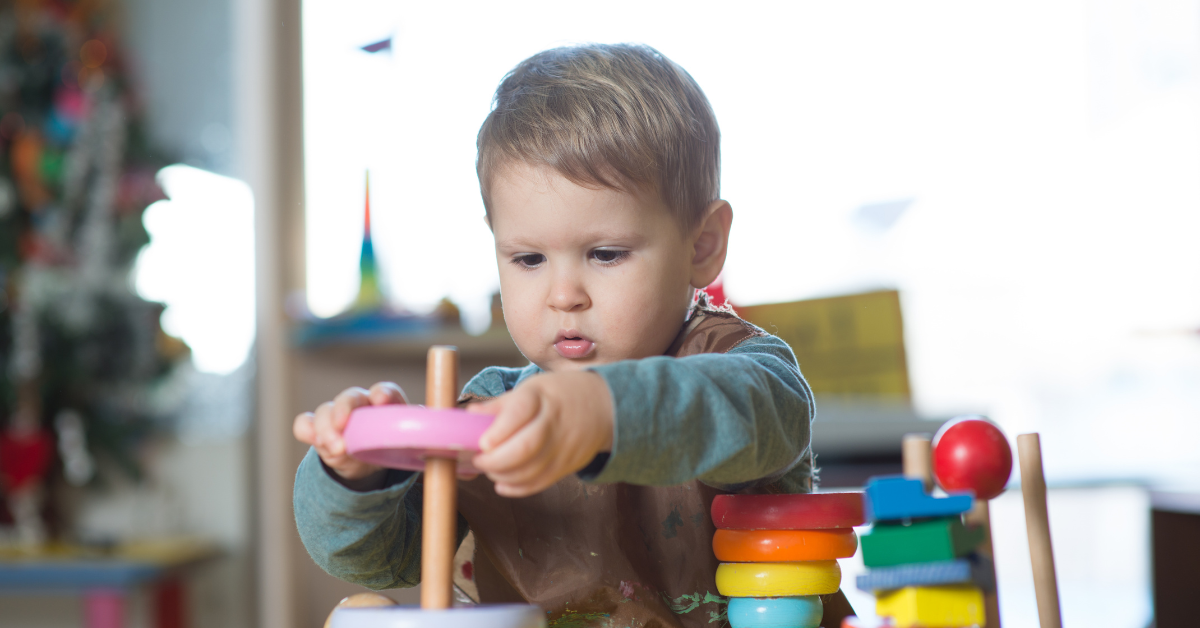
The key difference in therapeutic play is intentionality. While play remains child-directed and enjoyable, Early Intervention specialists carefully observe and scaffold learning opportunities within play activities. A simple game of stacking blocks becomes practice for hand-eye coordination, spatial reasoning, and cause-and-effect understanding.
Supporting Play-Based Learning at Home
Parents and caregivers play a crucial role in supporting development through play. Here are simple strategies families can use:
Follow Your Child’s Lead: Pay attention to what captures their interest and build on those preferences. If your child loves water, incorporate water play into daily routines.
Adapt for Success: Modify toys and activities to match your child’s abilities. Use larger pieces for easier grasping, add sensory elements for children who seek input, or create quieter versions of activities for sensory-sensitive children.
Make It Social: Play alongside your child, modeling actions and language. Narrate what you’re doing and pause to encourage participation.
Simple Play Ideas for Home:
- Sensory Bin Exploration: Fill a container with rice, beans, or water beads. Hide small toys inside for discovery play that builds fine motor skills and sensory processing.
- Movement Games: Create obstacle courses with pillows, tunnels, and soft blocks to develop gross motor skills and body awareness.
- Musical Play: Use household items as instruments (pots, wooden spoons, shakers) to encourage rhythm, coordination, and auditory processing.
- Messy Play: Finger painting, play dough, or shaving cream provide tactile experiences that support sensory integration and creativity.
Creating Play Opportunities That Work
Adapting play for different abilities might include using communication boards to support choices during play, providing visual schedules showing play sequences, offering weighted toys or fidgets for children who seek sensory input, creating calm-down areas for when play becomes overwhelming, or breaking activities into smaller steps with clear beginnings and endings.
The most important element is keeping play enjoyable. When children associate learning with positive experiences, they become motivated, engaged learners who actively participate in their own development.
Discover the Power of Play-Based Learning
Trudeau Center’s Early Intervention program serves children from birth to three years old, using play-based approaches grounded in evidence-based practices. Our specialists work in partnership with families, coaching caregivers to support development through everyday play and routines.
Ready to learn more about how play-based Early Intervention can support your child’s development? Contact Trudeau Center’s Early Intervention program at (401) 739-2700 or visit trudeaucenter.org to discover how we can help your child thrive through the power of play.
AI may have been used in the initial drafting and research of this article. The information provided is for educational purposes only and is not intended to be, nor should it be interpreted as, medical, therapeutic, or individualized service advice. Every person’s needs and circumstances are unique. For information about services specific to you or your loved one, please contact the Trudeau Center.