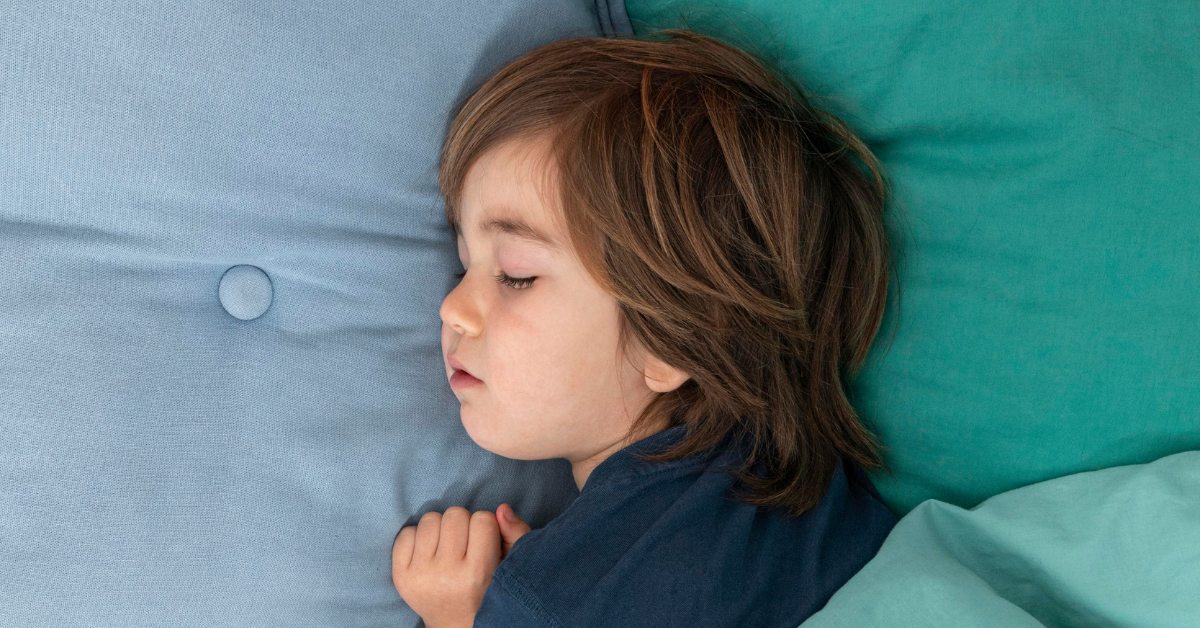
Sleep Solutions: Helping Children with Autism Get the Rest They Need
As we observe Sleep Awareness Month this March, the Trudeau Center highlights a challenge many families of children with autism know all too well: the struggle for a good night’s sleep. Research shows that between 50-80% of children with autism spectrum disorder experience sleep difficulties, compared to just 20-30% of typically developing children. Understanding why sleep is so challenging for these children, and what evidence-based strategies can help, is essential for supporting their development and family wellbeing.
Why Sleep Matters for Development
Quality sleep is fundamental to a child’s brain development, learning capacity, and emotional regulation. During sleep, the brain consolidates memories, processes emotions, and supports physical growth. For children with autism who are working hard to develop communication, social, and adaptive skills, adequate rest becomes even more critical.
Sleep deprivation can create a difficult cycle. When children don’t get enough rest, they often experience increased anxiety, heightened sensory sensitivities, difficulty with emotional regulation, and reduced ability to learn and retain new skills. These challenges can intensify behaviors that families and educators work so hard to support, making therapeutic progress more difficult.
The Unique Sleep Challenges in Autism
Several factors contribute to sleep difficulties in children with autism. Many experience differences in melatonin production, the hormone that regulates sleep-wake cycles. Anxiety, sensory sensitivities, difficulty with transitions, and co-occurring conditions like gastrointestinal issues can all interfere with restful sleep.
“Sleep challenges in children with autism are rarely simple,” explains Mackenzie Milner, Clinical Director of Pathways Strategic Teaching Center. “We often see a combination of biological factors, sensory needs, and behavioral patterns that all need to be addressed. The good news is that with consistent, evidence-based approaches, we can help children develop healthier sleep habits that make a real difference in their daily functioning.”
Evidence-Based ABA Strategies for Better Sleep
At Pathways Strategic Teaching Center, specialists use Applied Behavior Analysis principles to help families establish effective sleep routines. These strategies focus on creating predictable, supportive environments that signal to the child’s body and brain that it’s time for rest.
Consistency is Key: Children with autism often thrive on routine and predictability. Establishing a consistent bedtime and wake time, even on weekends, helps regulate the body’s internal clock. A predictable bedtime routine that follows the same sequence of activities each night (such as bath, pajamas, story, lights out) provides clear expectations and reduces anxiety.
Visual Supports: Visual schedules showing the bedtime routine step-by-step can help children understand what to expect and transition more smoothly through each stage. These tools reduce uncertainty and give children a sense of control over the process.
Positive Reinforcement: Rewarding successful sleep behaviors like staying in bed, following the routine independently, or waking at the appropriate time, can motivate children to continue these positive patterns.
Creating a Sleep-Friendly Sensory Environment
Many children with autism have heightened sensory sensitivities that can interfere with sleep. Consider these environmental modifications:
- Light control: Use blackout curtains or eye masks to eliminate visual distractions
- Sound management: White noise machines can mask disruptive sounds
- Temperature regulation: Keep the room cool, as most people sleep better in slightly cooler environments
- Bedding choices: Some children prefer certain textures. Experiment to find what’s most comfortable
When to Seek Additional Support
While behavioral strategies are highly effective for many children, some sleep difficulties require additional evaluation. Consider consulting with your pediatrician or a sleep specialist if your child experiences persistent difficulty falling asleep or staying asleep, loud snoring or breathing pauses during sleep, excessive daytime sleepiness despite adequate sleep opportunities, or sleep difficulties that don’t improve with consistent behavioral interventions.
Sleep studies can identify underlying conditions like sleep apnea that require medical treatment, while working with board-certified behavior analysts can provide targeted support for behavioral sleep challenges.
Resources and Support
Families don’t have to navigate sleep challenges alone. The specialists at Pathways Strategic Teaching Center and the Trudeau Center’s ABA Treatment Center offer comprehensive behavioral support for children with autism, including sleep intervention strategies tailored to each child’s unique needs.
Ready to help your child get the rest they need to thrive? Contact Pathways Strategic Teaching Center or our ABA Treatment Center at (401) 739-2700 to learn more about behavioral sleep support and other services designed to help children with autism reach their full potential.
Because every child deserves the gift of restful sleep, and every family deserves peaceful nights.
#TrudeauCenter #CreatingBrightFutures #RhodeIsland #AutismSupport #SleepAwarenessMonth
For 60 years, the Trudeau Center has been creating bright futures for individuals with developmental disabilities. Our Pathways Strategic Teaching Center provides evidence-based education and treatment for children with autism spectrum disorder, empowering them to reach their full potential.
AI may have been used in the initial drafting and research of this article. The information provided is for educational purposes only and is not intended to be, nor should it be interpreted as, medical, therapeutic, or individualized service advice. Every person’s needs and circumstances are unique. For information about services specific to you or your loved one, please contact the Trudeau Center.