Creating Holiday Joy in Residential Settings
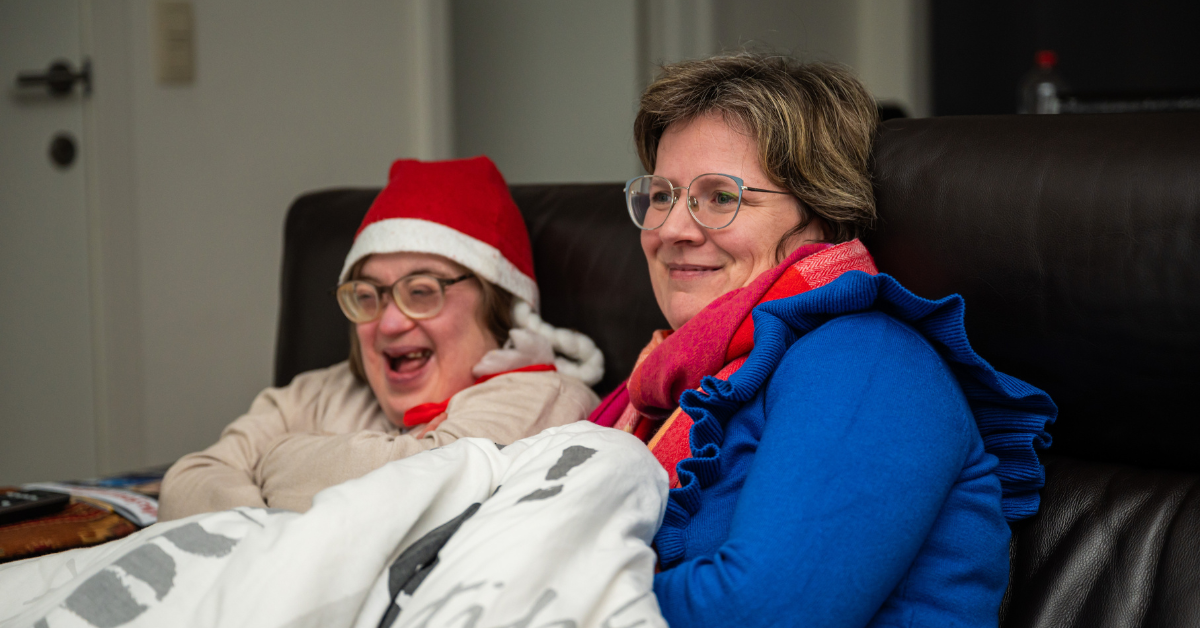
December transforms homes everywhere with twinkling lights, festive decorations, and the warmth of seasonal traditions. In Trudeau’s residential settings – both group homes and shared living arrangements – this transformation takes on special meaning as staff work thoughtfully to create holiday experiences that honor individual preferences while fostering the sense of connection and celebration that defines this time of year. For adults with intellectual and developmental disabilities, these efforts ensure that home truly becomes the most joyful place to be during the holidays.
Person-Centered Holiday Planning
At the heart of creating meaningful holiday experiences in residential settings is recognizing that December means different things to different people. For some residents, the holidays represent cherished family traditions they’ve celebrated for decades. For others, it may be an opportunity to establish new traditions in their current home. Some individuals embrace elaborate decorations and festivities, while others prefer quieter, more subdued celebrations.
Trudeau’s person-centered approach means taking time to understand what December means to each individual. Staff engage residents in conversations about their preferences, memories, and wishes for the season. Do they want to decorate their personal space? What foods evoke special memories? Are there religious or cultural traditions important to them? These conversations guide how the holidays unfold in each home, ensuring celebrations reflect the people who live there rather than imposed expectations.
Transforming Spaces into Seasonal Sanctuaries
Physical environment plays a powerful role in creating holiday atmosphere. In Trudeau’s residential settings, decorating becomes a collaborative activity where residents actively participate in transforming their homes for the season. Some may help string lights, arrange ornaments, or create handmade decorations. Others might select music playlists or choose where special items should be displayed.
Staff ensure that decorations accommodate sensory sensitivities—using warm white lights instead of flashing colors when needed, or limiting decorations to common areas while keeping bedrooms calm and consistent. The goal is creating an environment that feels festive and special while remaining comfortable and familiar.
Meaningful Activities and Traditions
December in residential settings comes alive with activities that bring joy while respecting each resident’s abilities and interests. Baking holiday cookies provides opportunities for choice-making, following directions, and creativity – not to mention the sensory pleasure of mixing, decorating, and tasting. Watching favorite holiday movies becomes a cozy group activity. Creating cards or gifts for family members offers meaningful ways to express care and connection.
“The magic happens when activities feel authentic for our participants,” explains Mark Rowe, Program Coordinator for Adult Services at the Trudeau Center. “We’re creating space for our adults to celebrate in ways that resonate with them now, at this stage of their lives. Sometimes that means elaborate gift exchanges, and sometimes it means simply enjoying a favorite meal together. Both are equally valid expressions of holiday joy.”
Connecting with Family and Community
For many residents, December brings opportunities to reconnect with family members and participate in community celebrations. Staff coordinate visits, facilitate video calls with distant relatives, and support residents in attending family gatherings when desired. These connections are vital, honoring the important relationships in residents’ lives while ensuring they have the support needed to navigate sometimes-complex family dynamics.
Community participation might include attending local holiday events, shopping for gifts, or volunteering for seasonal service projects. These activities reinforce that residents are valued community members whose presence and participation matter beyond the walls of their homes.
Supporting Emotional Wellbeing During the Holidays
While December brings joy, it can also evoke complex emotions. Some residents may experience sadness related to family losses, changes in traditions, or feelings of loneliness. Staff remain attuned to these emotional needs, providing extra support, creating space for individuals to express their feelings, and ensuring that holiday activities don’t become sources of stress or unhappiness.
This emotional support reflects Trudeau’s understanding that mental health and emotional wellbeing are as important as physical health, particularly during seasons when emotions run high. Staff create environments where all feelings – joy, sadness, excitement, nostalgia – can be acknowledged and validated.
The Gift of Home
Ultimately, creating holiday joy in residential settings is about reinforcing what residents experience year-round: that their home is truly theirs, a place where they belong, where their preferences matter, and where they are valued for who they are. December simply amplifies these truths with special foods, decorations, and celebrations that make the season memorable.
As one of the few organizations serving individuals across all life stages, Trudeau recognizes that adults with I/DD deserve the same opportunities for holiday joy that everyone else takes for granted. Through thoughtful, person-centered approaches to December celebrations, Trudeau’s residential programs ensure that the holidays become a time of genuine connection, meaning, and joy for every individual they serve.
To learn more about Trudeau’s residential services and other Adult Services programs, visit www.trudeaucenter.org or call (401) 739-2700.
AI may have been used in the initial drafting and research of this article. The information provided is for educational purposes only and is not intended to be, nor should it be interpreted as, medical, therapeutic, or individualized service advice. Every person’s needs and circumstances are unique. For information about services specific to you or your loved one, please contact the Trudeau Center.